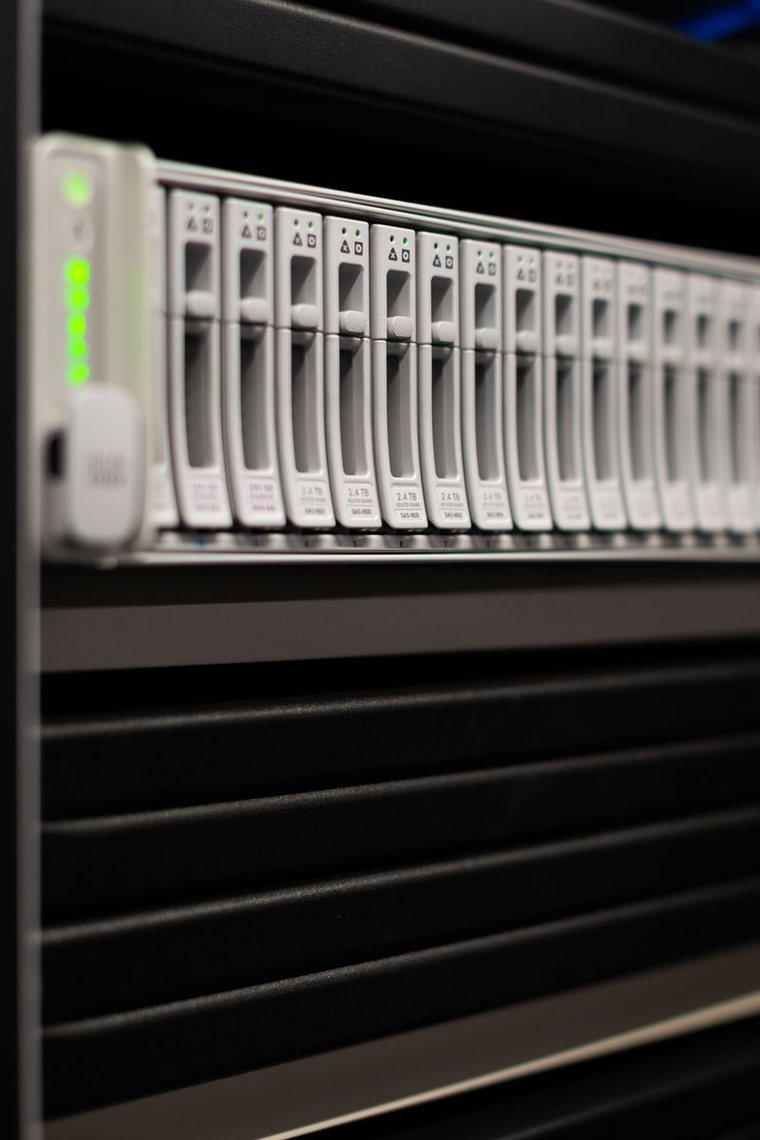
Infrastructure decisions have consequences well beyond the equipment purchase. Hypershift helps you evaluate options, plan change, and build a reliable foundation for the applications and data that keep your business running.

Support deadlines, licensing changes, performance issues, and capacity limits can turn infrastructure planning into an urgent purchasing exercise. The right answer depends on what your workloads need and what your team can realistically operate. We help compare keeping, upgrading, consolidating, or relocating infrastructure. The recommendation should account for migration effort, supportability, recovery, and ongoing cost as well as acquisition price.
Review compute, storage, virtualization, capacity, lifecycle, and application dependencies.
Compare suitable architectures and document the operational and commercial tradeoffs.
Plan equipment changes and workload moves around business constraints.
Review backup architecture, recovery dependencies, and testing practices.
Define the role of on-premises systems alongside cloud services.
Address documentation, monitoring, support ownership, and recurring infrastructure issues.
We establish what the business needs to preserve, then evaluate the options against those requirements. Design choices become a phased plan with dependencies, cutover considerations, and acceptance criteria.
Deliverables can include a current-state inventory, target architecture, option comparison, migration sequence, recovery design, and operating documentation. Where procurement is part of the engagement, we help evaluate the proposed technology and commercial terms against the approved design.
Hypershift's background in data center modernization informs how we approach complex environments. Our ecosystem includes HPE, Nutanix, Scale Computing, Veeam, and Commvault. We bring network and cloud expertise into infrastructure decisions when the dependencies require it.
Not necessarily. The first question is whether what you already own is configured, integrated, and operated effectively. Recommendations often involve process changes or better use of existing investments before any new purchase.
Yes. We can focus on an existing architecture, deployment process, cost concern, or recovery requirement without starting a new migration or replacement program.
Yes. We can contribute specialist design, troubleshooting, or implementation capacity while your team keeps operational ownership. The division of work is agreed during scoping.
Consulting focuses on decisions, assessments, and scoped projects. Implementation and ongoing management are separate, optional engagements. An assessment does not automatically include deployment or a managed service subscription.
No. Most work begins with the specific question or constraint in front of you. A focused engagement can address one workload, one system, or one decision, and broader programs can follow if they earn their place.
Deliverables are scoped to the engagement and can include an assessment, prioritized recommendations, architecture or design documents, and an implementation roadmap, each with clear owners and next steps.
With your priorities and the resources you already have. We shape the scope around the decisions you need to make and the work you need completed.

Bring us the renewal, capacity issue, or modernization plan in front of you. We'll help turn it into a decision you can explain and a project your team can deliver.